

ITT5435
ITT5435
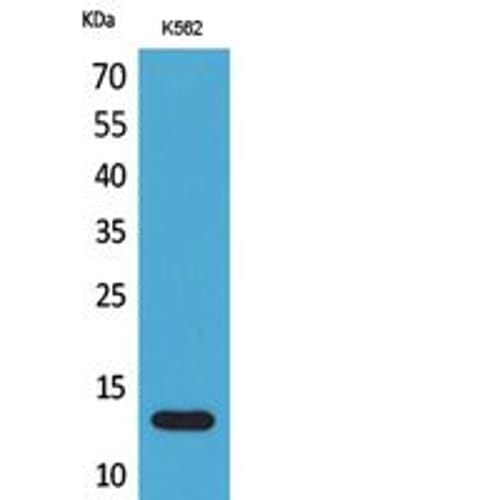
ITT5435
from
$424.00
Price in reward points: 424
- Catalog: ITT5435
- Gene/Protein: XCL1/XCL2
- Product Description: Immunotag™ Lymphotactin Polyclonal Antibody
-
Description
-
Specifications
Antibody Specification Datasheet 
IMPORTANT NOTE This product is custom manufactured with a lead time of 3-4 weeks. Once in production, this item cannot be cancelled from an order and is not eligible for return. Target Protein Lymphotactin Clonality Polyclonal Storage/Stability -20°C/1 year Application WB,ELISA Recommended Dilution Western Blot: 1/500 - 1/2000. ELISA: 1/20000. Not yet tested in other applications. Concentration 1 mg/ml Reactive Species Human Host Species Rabbit Immunogen The antiserum was produced against synthesized peptide derived from the Internal region of human XCL1/XCL2. AA range:51-100 Specificity Lymphotactin Polyclonal Antibody detects endogenous levels of Lymphotactin protein. Purification The antibody was affinity-purified from rabbit antiserum by affinity-chromatography using epitope-specific immunogen Form Liquid in PBS containing 50% glycerol, 0.5% BSA and 0.02% sodium azide. Gene Name XCL1/XCL2 Accession No. P47992/Q9UBD3 Alternate Names XCL1; LTN; SCYC1; Lymphotactin; ATAC; C motif chemokine 1; Cytokine SCM-1; Lymphotaxin; SCM-1-alpha; Small-inducible cytokine C1; XC chemokine ligand 1; XCL2; SCYC2; Cytokine SCM-1 beta; C motif chemokine 2; XC chemokine ligand 2 Description X-C motif chemokine ligand 1(XCL1) Homo sapiens This antimicrobial gene encodes a member of the chemokine superfamily. Chemokines function in inflammatory and immunological responses, inducing leukocyte migration and activation. The encoded protein is a member of the C-chemokine subfamily, retaining only two of four cysteines conserved in other chemokines, and is thought to be specifically chemotactic for T cells. This gene and a closely related family member are located on the long arm of chromosome 1. [provided by RefSeq, Sep 2014], Cell Pathway/ Category Cytokine-cytokine receptor interaction,Chemokine, Protein Expression Blood,Peripheral blood,Placenta, Subcellular Localization extracellular region,extracellular space,cell, Protein Function function:Chemotactic activity for lymphocytes but not for monocytes or neutrophils.,online information:XCL1 entry,similarity:Belongs to the intercrine gamma family.,tissue specificity:Highest level in spleen, lower in peripheral leukocytes and very low levels in lung, colon and small intestine., Usage For Research Use Only! Not for diagnostic or therapeutic procedures. - Reviews
| Antibody Specification | |
| Datasheet | |
| IMPORTANT NOTE | This product is custom manufactured with a lead time of 3-4 weeks. Once in production, this item cannot be cancelled from an order and is not eligible for return. |
| Target Protein | Lymphotactin |
| Clonality | Polyclonal |
| Storage/Stability | -20°C/1 year |
| Application | WB,ELISA |
| Recommended Dilution | Western Blot: 1/500 - 1/2000. ELISA: 1/20000. Not yet tested in other applications. |
| Concentration | 1 mg/ml |
| Reactive Species | Human |
| Host Species | Rabbit |
| Immunogen | The antiserum was produced against synthesized peptide derived from the Internal region of human XCL1/XCL2. AA range:51-100 |
| Specificity | Lymphotactin Polyclonal Antibody detects endogenous levels of Lymphotactin protein. |
| Purification | The antibody was affinity-purified from rabbit antiserum by affinity-chromatography using epitope-specific immunogen |
| Form | Liquid in PBS containing 50% glycerol, 0.5% BSA and 0.02% sodium azide. |
| Gene Name | XCL1/XCL2 |
| Accession No. | P47992/Q9UBD3 |
| Alternate Names | XCL1; LTN; SCYC1; Lymphotactin; ATAC; C motif chemokine 1; Cytokine SCM-1; Lymphotaxin; SCM-1-alpha; Small-inducible cytokine C1; XC chemokine ligand 1; XCL2; SCYC2; Cytokine SCM-1 beta; C motif chemokine 2; XC chemokine ligand 2 |
| Description | X-C motif chemokine ligand 1(XCL1) Homo sapiens This antimicrobial gene encodes a member of the chemokine superfamily. Chemokines function in inflammatory and immunological responses, inducing leukocyte migration and activation. The encoded protein is a member of the C-chemokine subfamily, retaining only two of four cysteines conserved in other chemokines, and is thought to be specifically chemotactic for T cells. This gene and a closely related family member are located on the long arm of chromosome 1. [provided by RefSeq, Sep 2014], |
| Cell Pathway/ Category | Cytokine-cytokine receptor interaction,Chemokine, |
| Protein Expression | Blood,Peripheral blood,Placenta, |
| Subcellular Localization | extracellular region,extracellular space,cell, |
| Protein Function | function:Chemotactic activity for lymphocytes but not for monocytes or neutrophils.,online information:XCL1 entry,similarity:Belongs to the intercrine gamma family.,tissue specificity:Highest level in spleen, lower in peripheral leukocytes and very low levels in lung, colon and small intestine., |
| Usage | For Research Use Only! Not for diagnostic or therapeutic procedures. |