

ITT5452
ITT5452
ITT5452
from
$424.00
Price in reward points: 424
- Catalog: ITT5452
- Gene/Protein: NRP1
- Product Description: Immunotag™ Neuropilin Polyclonal Antibody
-
Description
-
Specifications
Antibody Specification Datasheet 
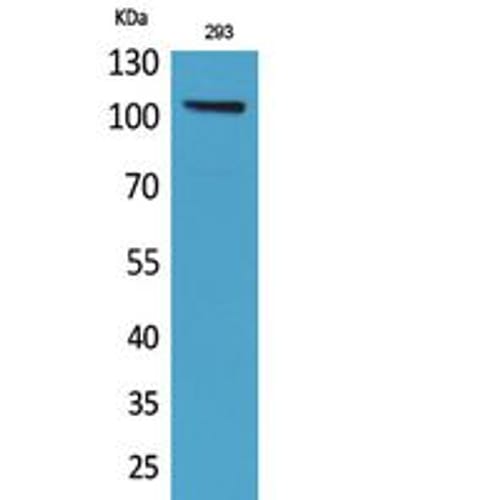
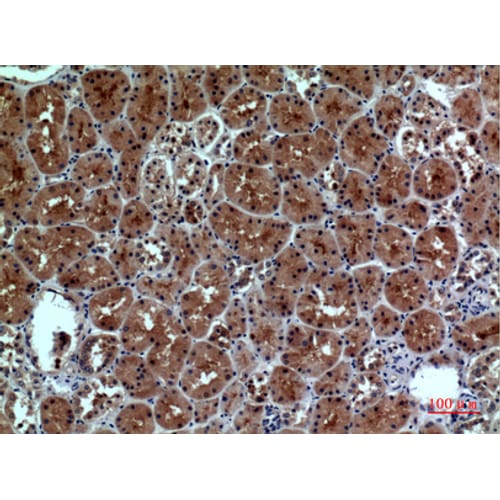
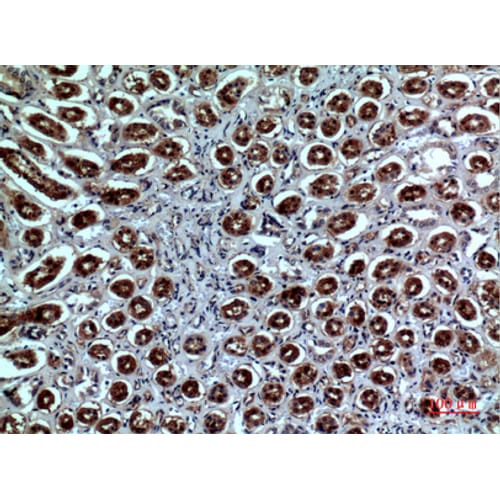
IMPORTANT NOTE This product is custom manufactured with a lead time of 3-4 weeks. Once in production, this item cannot be cancelled from an order and is not eligible for return. Target Protein NeuropIL-in Clonality Polyclonal Storage/Stability -20°C/1 year Application WB,IHC-p,ELISA Recommended Dilution Western Blot: 1/500 - 1/2000. IHC-p: 1/100-1/300. ELISA: 1/20000. Not yet tested in other applications. Concentration 1 mg/ml Reactive Species Human,Mouse,Rat Host Species Rabbit Immunogen Synthesized peptide derived from Neuropilin, at AA range: 311-360 Specificity Neuropilin Polyclonal Antibody detects endogenous levels of Neuropilin protein. Purification The antibody was affinity-purified from rabbit antiserum by affinity-chromatography using epitope-specific immunogen Form Liquid in PBS containing 50% glycerol, 0.5% BSA and 0.02% sodium azide. Gene Name NRP1 Accession No. O14786 P97333 Q9QWJ9 Alternate Names NRP1; NRP; VEGF165R; Neuropilin-1; Vascular endothelial cell growth factor 165 receptor; CD304 Description neuropilin 1(NRP1) Homo sapiens This gene encodes one of two neuropilins, which contain specific protein domains which allow them to participate in several different types of signaling pathways that control cell migration. Neuropilins contain a large N-terminal extracellular domain, made up of complement-binding, coagulation factor V/VIII, and meprin domains. These proteins also contains a short membrane-spanning domain and a small cytoplasmic domain. Neuropilins bind many ligands and various types of co-receptors; they affect cell survival, migration, and attraction. Some of the ligands and co-receptors bound by neuropilins are vascular endothelial growth factor (VEGF) and semaphorin family members. Several alternatively spliced transcript variants that encode different protein isoforms have been described for this gene. [provided by RefSeq, Oct 2011], Cell Pathway/ Category Axon guidance, Protein Expression Endometrium carcinoma cell line,Fetal kidney,Human skeletal muscle,Kidney,Liver,Lung,Mammar Subcellular Localization semaphorin receptor complex,extracellular space,early endosome,cytosol,neurofilament,plasma membrane,focal adhesion,cell surface,membrane,integral component of membrane,axon,growth cone,cytoplasmic vesicle,neuronal Protein Function function:The membrane-bound isoform 1 is a receptor involved in the development of the cardiovascular system, in angiogenesis, in the formation of certain neuronal circuits and in organogenesis outside the nervous system. It mediates the chemorepulsant activity of semaphorins. It binds to semaphorin 3A, The PLGF-2 isoform of PGF, The VEGF-165 isoform of VEGF and VEGF-B. Coexpression with KDR results in increased VEGF-165 binding to KDR as well as increased chemotaxis. It may regulate VEGF-induced angiogenesis.,function:The soluble isoform 2 binds VEGF-165 and appears to inhibit its binding to cells. It may also induce apoptosis by sequestering VEGF-165. May bind as well various members of the semaphorin family. Its expression has an averse effect on blood vessel number and integrity.,similarity:Belongs to the neuropilin family.,similarity:Contains 1 F5/8 type C domain.,similarity:Contains 1 MAM domain.,similarity:Contains 2 CUB domains.,similarity:Contains 2 F5/8 type C domains.,subunit:Heterodimer with NRP2 (Probable). Binds PLXNB1.,tissue specificity:The expression of isoforms 1 and 2 does not seem to overlap. Isoform 1 is expressed by the blood vessels of different tissues. In the developing embryo it is found predominantly in the nervous system. In adult tissues, it is highly expressed in heart and placenta; moderately in lung, liver, skeletal muscle, kidney and pancreas; and low in adult brain. Isoform 2 is found in liver hepatocytes, kidney distal and proximal tubules., Usage For Research Use Only! Not for diagnostic or therapeutic procedures. - Reviews
| Antibody Specification | |
| Datasheet | |
| IMPORTANT NOTE | This product is custom manufactured with a lead time of 3-4 weeks. Once in production, this item cannot be cancelled from an order and is not eligible for return. |
| Target Protein | NeuropIL-in |
| Clonality | Polyclonal |
| Storage/Stability | -20°C/1 year |
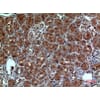
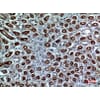
| Application | WB,IHC-p,ELISA |
| Recommended Dilution | Western Blot: 1/500 - 1/2000. IHC-p: 1/100-1/300. ELISA: 1/20000. Not yet tested in other applications. |
| Concentration | 1 mg/ml |
| Reactive Species | Human,Mouse,Rat |
| Host Species | Rabbit |
| Immunogen | Synthesized peptide derived from Neuropilin, at AA range: 311-360 |
| Specificity | Neuropilin Polyclonal Antibody detects endogenous levels of Neuropilin protein. |
| Purification | The antibody was affinity-purified from rabbit antiserum by affinity-chromatography using epitope-specific immunogen |
| Form | Liquid in PBS containing 50% glycerol, 0.5% BSA and 0.02% sodium azide. |
| Gene Name | NRP1 |
| Accession No. | O14786 P97333 Q9QWJ9 |
| Alternate Names | NRP1; NRP; VEGF165R; Neuropilin-1; Vascular endothelial cell growth factor 165 receptor; CD304 |
| Description | neuropilin 1(NRP1) Homo sapiens This gene encodes one of two neuropilins, which contain specific protein domains which allow them to participate in several different types of signaling pathways that control cell migration. Neuropilins contain a large N-terminal extracellular domain, made up of complement-binding, coagulation factor V/VIII, and meprin domains. These proteins also contains a short membrane-spanning domain and a small cytoplasmic domain. Neuropilins bind many ligands and various types of co-receptors; they affect cell survival, migration, and attraction. Some of the ligands and co-receptors bound by neuropilins are vascular endothelial growth factor (VEGF) and semaphorin family members. Several alternatively spliced transcript variants that encode different protein isoforms have been described for this gene. [provided by RefSeq, Oct 2011], |
| Cell Pathway/ Category | Axon guidance, |
| Protein Expression | Endometrium carcinoma cell line,Fetal kidney,Human skeletal muscle,Kidney,Liver,Lung,Mammar |
| Subcellular Localization | semaphorin receptor complex,extracellular space,early endosome,cytosol,neurofilament,plasma membrane,focal adhesion,cell surface,membrane,integral component of membrane,axon,growth cone,cytoplasmic vesicle,neuronal |
| Protein Function | function:The membrane-bound isoform 1 is a receptor involved in the development of the cardiovascular system, in angiogenesis, in the formation of certain neuronal circuits and in organogenesis outside the nervous system. It mediates the chemorepulsant activity of semaphorins. It binds to semaphorin 3A, The PLGF-2 isoform of PGF, The VEGF-165 isoform of VEGF and VEGF-B. Coexpression with KDR results in increased VEGF-165 binding to KDR as well as increased chemotaxis. It may regulate VEGF-induced angiogenesis.,function:The soluble isoform 2 binds VEGF-165 and appears to inhibit its binding to cells. It may also induce apoptosis by sequestering VEGF-165. May bind as well various members of the semaphorin family. Its expression has an averse effect on blood vessel number and integrity.,similarity:Belongs to the neuropilin family.,similarity:Contains 1 F5/8 type C domain.,similarity:Contains 1 MAM domain.,similarity:Contains 2 CUB domains.,similarity:Contains 2 F5/8 type C domains.,subunit:Heterodimer with NRP2 (Probable). Binds PLXNB1.,tissue specificity:The expression of isoforms 1 and 2 does not seem to overlap. Isoform 1 is expressed by the blood vessels of different tissues. In the developing embryo it is found predominantly in the nervous system. In adult tissues, it is highly expressed in heart and placenta; moderately in lung, liver, skeletal muscle, kidney and pancreas; and low in adult brain. Isoform 2 is found in liver hepatocytes, kidney distal and proximal tubules., |
| Usage | For Research Use Only! Not for diagnostic or therapeutic procedures. |