

ITT5640
ITT5640
ITT5640
from
$424.00
Price in reward points: 424
- Catalog: ITT5640
- Gene/Protein: MRC1
- Product Description: Immunotag™ CD206 Polyclonal Antibody
-
Description
-
Specifications
Antibody Specification Datasheet 
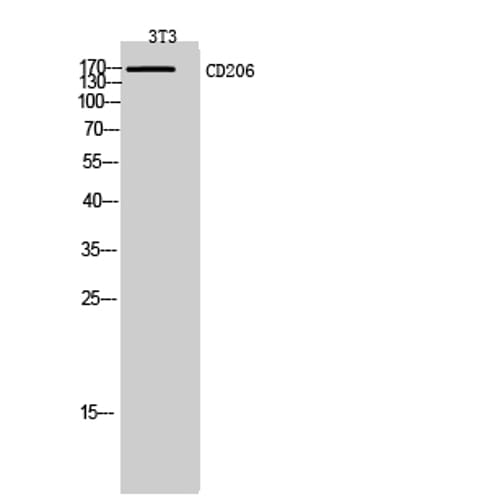
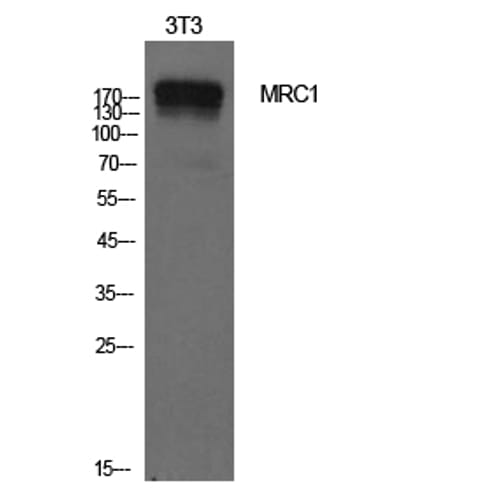
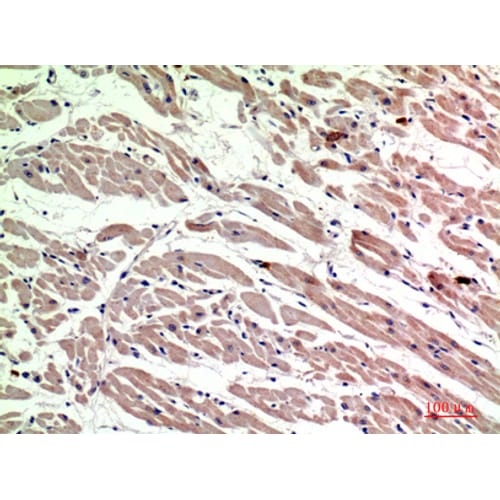
IMPORTANT NOTE This product is custom manufactured with a lead time of 3-4 weeks. Once in production, this item cannot be cancelled from an order and is not eligible for return. Target Protein CD206 Clonality Polyclonal Storage/Stability -20°C/1 year Application WB,IHC-p,ELISA Recommended Dilution Western Blot: 1/500 - 1/2000. IHC-p: 1:100-1:300. ELISA: 1/10000. Not yet tested in other applications. Concentration 1 mg/ml Reactive Species Human,Mouse Host Species Rabbit Immunogen The antiserum was produced against synthesized peptide derived from the Internal region of human MRC1. AA range:341-390 Specificity CD206 Polyclonal Antibody detects endogenous levels of CD206 protein. Purification The antibody was affinity-purified from rabbit antiserum by affinity-chromatography using epitope-specific immunogen Form Liquid in PBS containing 50% glycerol, 0.5% BSA and 0.02% sodium azide. Gene Name MRC1 Accession No. P22897 Q61830 Alternate Names MRC1; CLEC13D; CLEC13DL; MRC1L1; Macrophage mannose receptor 1; MMR; C-type lectin domain family 13 member D; C-type lectin domain family 13 member D-like; Macrophage mannose receptor 1-like protein 1; CD206 Description mannose receptor, C type 1(MRC1) Homo sapiens The recognition of complex carbohydrate structures on glycoproteins is an important part of several biological processes, including cell-cell recognition, serum glycoprotein turnover, and neutralization of pathogens. The protein encoded by this gene is a type I membrane receptor that mediates the endocytosis of glycoproteins by macrophages. The protein has been shown to bind high-mannose structures on the surface of potentially pathogenic viruses, bacteria, and fungi so that they can be neutralized by phagocytic engulfment.[provided by RefSeq, Sep 2015], Protein Expression Milk,Placenta,Testis, Subcellular Localization plasma membrane,integral component of plasma membrane,cell surface,endosome membrane, Protein Function function:Mediates the endocytosis of glycoproteins by macrophages. Binds both sulfated and non-sulfated polysaccharide chains. Acts as phagocytic receptor for bacteria, fungi and other pathogens.,miscellaneous:CRDs 1-3 have at most very weak affinity for carbohydrate. CRD 4 shows the highest affinity binding and has multispecificity for a variety of monosaccharides. At least 3 CRDs (4, 5, and 7) are required for high affinity binding and endocytosis of multivalent glycoconjugates.,online information:Macrophage mannose receptor,similarity:Contains 1 fibronectin type-II domain.,similarity:Contains 1 ricin B-type lectin domain.,similarity:Contains 8 C-type lectin domains., Usage For Research Use Only! Not for diagnostic or therapeutic procedures. - Reviews
| Antibody Specification | |
| Datasheet | |
| IMPORTANT NOTE | This product is custom manufactured with a lead time of 3-4 weeks. Once in production, this item cannot be cancelled from an order and is not eligible for return. |
| Target Protein | CD206 |
| Clonality | Polyclonal |
| Storage/Stability | -20°C/1 year |
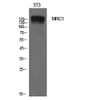
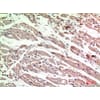
| Application | WB,IHC-p,ELISA |
| Recommended Dilution | Western Blot: 1/500 - 1/2000. IHC-p: 1:100-1:300. ELISA: 1/10000. Not yet tested in other applications. |
| Concentration | 1 mg/ml |
| Reactive Species | Human,Mouse |
| Host Species | Rabbit |
| Immunogen | The antiserum was produced against synthesized peptide derived from the Internal region of human MRC1. AA range:341-390 |
| Specificity | CD206 Polyclonal Antibody detects endogenous levels of CD206 protein. |
| Purification | The antibody was affinity-purified from rabbit antiserum by affinity-chromatography using epitope-specific immunogen |
| Form | Liquid in PBS containing 50% glycerol, 0.5% BSA and 0.02% sodium azide. |
| Gene Name | MRC1 |
| Accession No. | P22897 Q61830 |
| Alternate Names | MRC1; CLEC13D; CLEC13DL; MRC1L1; Macrophage mannose receptor 1; MMR; C-type lectin domain family 13 member D; C-type lectin domain family 13 member D-like; Macrophage mannose receptor 1-like protein 1; CD206 |
| Description | mannose receptor, C type 1(MRC1) Homo sapiens The recognition of complex carbohydrate structures on glycoproteins is an important part of several biological processes, including cell-cell recognition, serum glycoprotein turnover, and neutralization of pathogens. The protein encoded by this gene is a type I membrane receptor that mediates the endocytosis of glycoproteins by macrophages. The protein has been shown to bind high-mannose structures on the surface of potentially pathogenic viruses, bacteria, and fungi so that they can be neutralized by phagocytic engulfment.[provided by RefSeq, Sep 2015], |
| Protein Expression | Milk,Placenta,Testis, |
| Subcellular Localization | plasma membrane,integral component of plasma membrane,cell surface,endosome membrane, |
| Protein Function | function:Mediates the endocytosis of glycoproteins by macrophages. Binds both sulfated and non-sulfated polysaccharide chains. Acts as phagocytic receptor for bacteria, fungi and other pathogens.,miscellaneous:CRDs 1-3 have at most very weak affinity for carbohydrate. CRD 4 shows the highest affinity binding and has multispecificity for a variety of monosaccharides. At least 3 CRDs (4, 5, and 7) are required for high affinity binding and endocytosis of multivalent glycoconjugates.,online information:Macrophage mannose receptor,similarity:Contains 1 fibronectin type-II domain.,similarity:Contains 1 ricin B-type lectin domain.,similarity:Contains 8 C-type lectin domains., |
| Usage | For Research Use Only! Not for diagnostic or therapeutic procedures. |