

ITT1911
ITT1911
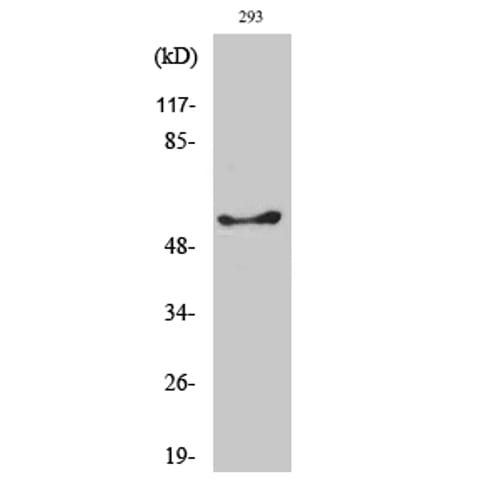
ITT1911
from
$424.00
Price in reward points: 424
- Catalog: ITT1911
- Gene/Protein: GK/GK3P
- Product Description: Immunotag™ GK1/3 Polyclonal Antibody
-
Description
-
Specifications
Antibody Specification Datasheet 
IMPORTANT NOTE This product is custom manufactured with a lead time of 3-4 weeks. Once in production, this item cannot be cancelled from an order and is not eligible for return. Target Protein GK1/3 Clonality Polyclonal Storage/Stability -20°C/1 year Application WB,IHC-p,ELISA Recommended Dilution Western Blot: 1/500 - 1/2000. Immunohistochemistry: 1/100 - 1/300. ELISA: 1/40000. Not yet tested in other applications. Concentration 1 mg/ml Reactive Species Human Host Species Rabbit Immunogen The antiserum was produced against synthesized peptide derived from human GK3. AA range:21-70 Specificity GK1/3 Polyclonal Antibody detects endogenous levels of GK1/3 protein. Purification The antibody was affinity-purified from rabbit antiserum by affinity-chromatography using epitope-specific immunogen Form Liquid in PBS containing 50% glycerol, 0.5% BSA and 0.02% sodium azide. Gene Name GK/GK3P Accession No. P32189/Q14409 Alternate Names GK; Glycerol kinase; GK; Glycerokinase; ATP:glycerol 3-phosphotransferase; GK3P; GKP3; GKTB; Putative glycerol kinase 3; GK 3; Glycerokinase 3; ATP:glycerol 3-phosphotransferase 3; Glycerol kinase; testis specific 1 Description glycerol kinase(GK) Homo sapiens The protein encoded by this gene belongs to the FGGY kinase family. This protein is a key enzyme in the regulation of glycerol uptake and metabolism. It catalyzes the phosphorylation of glycerol by ATP, yielding ADP and glycerol-3-phosphate. Mutations in this gene are associated with glycerol kinase deficiency (GKD). Alternatively spliced transcript variants encoding different isoforms have been found for this gene. [provided by RefSeq, Mar 2011], Cell Pathway/ Category Glycerolipid metabolism,PPAR, Protein Expression Blood,Brain,Fetal brain,Fetal liver,Liver, Subcellular Localization mitochondrion,mitochondrial outer membrane,cytosol,extracellular exosome, Protein Function catalytic activity:ATP + glycerol = ADP + sn-glycerol 3-phosphate.,caution:The sequence shown here is derived from an Ensembl automatic analysis pipeline and should be considered as preliminary data.,disease:Defects in GK are the cause of GK deficiency (GKD) [MIM:307030]. This disease can be either symptomatic with episodic metabolic and CNS decompensation or asymptomatic with hyperglycerolemia and hyperglyceroluria only.,function:Key enzyme in the regulation of glycerol uptake and metabolism.,pathway:Polyol metabolism; glycerol degradation via glycerol kinase pathway; sn-glycerol 3-phosphate from glycerol: step 1/1.,similarity:Belongs to the FGGY kinase family.,subcellular location:In sperm and fetal tissues, the majority of the enzyme is bound to mitochondria, but in adult tissues, such as liver found in the cytoplasm.,tissue specificity:Highly expressed in the liver, kidney and testis. Isoforms 2 and 3 are expressed specifically in testis and fetal liver, but not in the adult liver., Usage For Research Use Only! Not for diagnostic or therapeutic procedures. - Reviews
| Antibody Specification | |
| Datasheet | |
| IMPORTANT NOTE | This product is custom manufactured with a lead time of 3-4 weeks. Once in production, this item cannot be cancelled from an order and is not eligible for return. |
| Target Protein | GK1/3 |
| Clonality | Polyclonal |
| Storage/Stability | -20°C/1 year |
| Application | WB,IHC-p,ELISA |
| Recommended Dilution | Western Blot: 1/500 - 1/2000. Immunohistochemistry: 1/100 - 1/300. ELISA: 1/40000. Not yet tested in other applications. |
| Concentration | 1 mg/ml |
| Reactive Species | Human |
| Host Species | Rabbit |
| Immunogen | The antiserum was produced against synthesized peptide derived from human GK3. AA range:21-70 |
| Specificity | GK1/3 Polyclonal Antibody detects endogenous levels of GK1/3 protein. |
| Purification | The antibody was affinity-purified from rabbit antiserum by affinity-chromatography using epitope-specific immunogen |
| Form | Liquid in PBS containing 50% glycerol, 0.5% BSA and 0.02% sodium azide. |
| Gene Name | GK/GK3P |
| Accession No. | P32189/Q14409 |
| Alternate Names | GK; Glycerol kinase; GK; Glycerokinase; ATP:glycerol 3-phosphotransferase; GK3P; GKP3; GKTB; Putative glycerol kinase 3; GK 3; Glycerokinase 3; ATP:glycerol 3-phosphotransferase 3; Glycerol kinase; testis specific 1 |
| Description | glycerol kinase(GK) Homo sapiens The protein encoded by this gene belongs to the FGGY kinase family. This protein is a key enzyme in the regulation of glycerol uptake and metabolism. It catalyzes the phosphorylation of glycerol by ATP, yielding ADP and glycerol-3-phosphate. Mutations in this gene are associated with glycerol kinase deficiency (GKD). Alternatively spliced transcript variants encoding different isoforms have been found for this gene. [provided by RefSeq, Mar 2011], |
| Cell Pathway/ Category | Glycerolipid metabolism,PPAR, |
| Protein Expression | Blood,Brain,Fetal brain,Fetal liver,Liver, |
| Subcellular Localization | mitochondrion,mitochondrial outer membrane,cytosol,extracellular exosome, |
| Protein Function | catalytic activity:ATP + glycerol = ADP + sn-glycerol 3-phosphate.,caution:The sequence shown here is derived from an Ensembl automatic analysis pipeline and should be considered as preliminary data.,disease:Defects in GK are the cause of GK deficiency (GKD) [MIM:307030]. This disease can be either symptomatic with episodic metabolic and CNS decompensation or asymptomatic with hyperglycerolemia and hyperglyceroluria only.,function:Key enzyme in the regulation of glycerol uptake and metabolism.,pathway:Polyol metabolism; glycerol degradation via glycerol kinase pathway; sn-glycerol 3-phosphate from glycerol: step 1/1.,similarity:Belongs to the FGGY kinase family.,subcellular location:In sperm and fetal tissues, the majority of the enzyme is bound to mitochondria, but in adult tissues, such as liver found in the cytoplasm.,tissue specificity:Highly expressed in the liver, kidney and testis. Isoforms 2 and 3 are expressed specifically in testis and fetal liver, but not in the adult liver., |
| Usage | For Research Use Only! Not for diagnostic or therapeutic procedures. |