

ITT5363
ITT5363
ITT5363
from
$424.00
Price in reward points: 424
- Catalog: ITT5363
- Gene/Protein: PNPLA6
- Product Description: Immunotag™ NTE Polyclonal Antibody
-
Description
-
Specifications
Antibody Specification Datasheet 
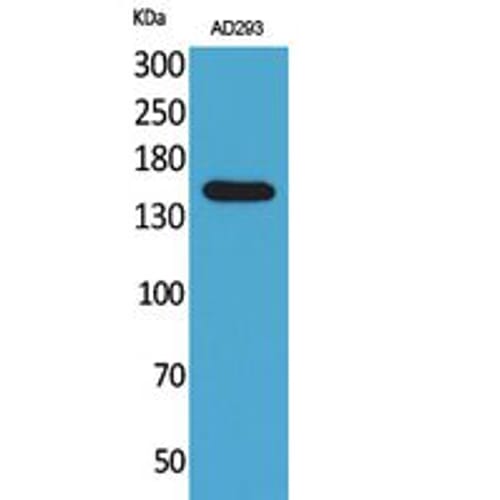
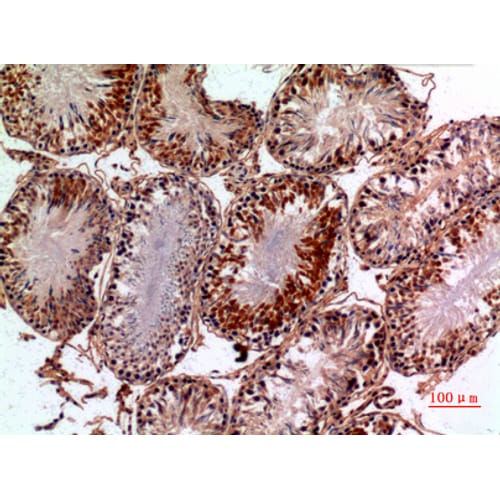
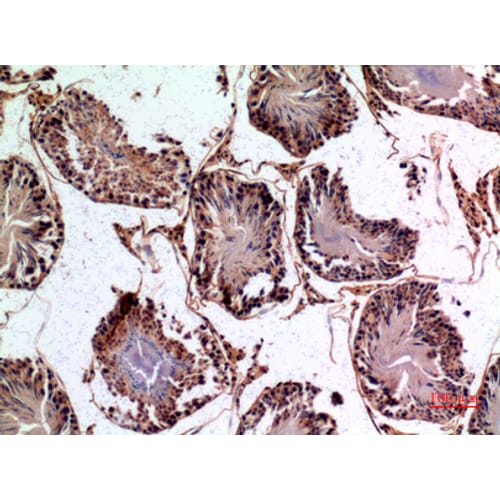
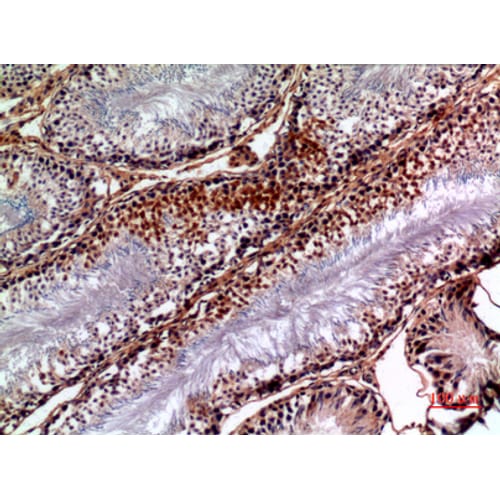
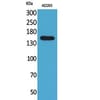
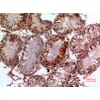
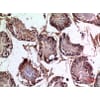
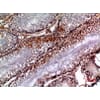
IMPORTANT NOTE This product is custom manufactured with a lead time of 3-4 weeks. Once in production, this item cannot be cancelled from an order and is not eligible for return. Target Protein NTE Clonality Polyclonal Storage/Stability -20°C/1 year Application WB,IHC-p,ELISA Recommended Dilution Western Blot: 1/500 - 1/2000. IHC-p: 1/100-1/300. ELISA: 1/20000. Not yet tested in other applications. Concentration 1 mg/ml Reactive Species Human,Mouse,Rat Host Species Rabbit Immunogen The antiserum was produced against synthesized peptide derived from the Internal region of human PNPLA6. AA range:1031-1080 Specificity NTE Polyclonal Antibody detects endogenous levels of NTE protein. Purification The antibody was affinity-purified from rabbit antiserum by affinity-chromatography using epitope-specific immunogen Form Liquid in PBS containing 50% glycerol, 0.5% BSA and 0.02% sodium azide. Gene Name PNPLA6 Accession No. Q8IY17 Q3TRM4 Alternate Names PNPLA6; NTE; Neuropathy target esterase; Patatin-like phospholipase domain-containing protein 6 Description patatin like phospholipase domain containing 6(PNPLA6) Homo sapiens This gene encodes a phospholipase that deacetylates intracellular phosphatidylcholine to produce glycerophosphocholine. It is thought to function in neurite outgrowth and process elongation during neuronal differentiation. The protein is anchored to the cytoplasmic face of the endoplasmic reticulum in both neurons and non-neuronal cells. Mutations in this gene result in autosomal recessive spastic paraplegia, and the protein is the target for neurodegeneration induced by organophosphorus compounds and chemical warfare agents. Multiple transcript variants encoding different isoforms have been found for this gene. [provided by RefSeq, Oct 2009], Protein Expression Brain,Cerebellum,Duodenum,Fetal brain,Testis, Subcellular Localization endoplasmic reticulum,endoplasmic reticulum membrane,membrane,integral component of membrane, Protein Function catalytic activity:2-lysophosphatidylcholine + H(2)O = glycerophosphocholine + a carboxylate.,disease:Defects in PNPLA6 are the cause of spastic paraplegia autosomal recessive type 39 (SPG39) [MIM:612020]; also known as NTE-related motor neuron disorder (NTEMND). Spastic paraplegia is a neurodegenerative disorder characterized by a slow, gradual, progressive weakness and spasticity of the lower limbs. Rate of progression and the severity of symptoms are quite variable. Initial symptoms may include difficulty with balance, weakness and stiffness in the legs, muscle spasms, and dragging the toes when walking. In some forms of the disorder, bladder symptoms (such as incontinence) may appear, or the weakness and stiffness may spread to other parts of the body. SPG39 is associated with a motor axonopathy affecting upper and lower limbs and resulting in progressive wasting of distal upper and lower extremity muscles.,enzyme regulation:Inhibited by a series a OPs such as mipafox (MPX), phenyl saligenin phosphate (PSP), phenyl dipentyl phosphinate (PDPP), diisopropyl fluorophosphate and paraoxon.,function:Phospholipase B that deacylates intracellular phosphatidylcholine (PtdCho), generating glycerophosphocholine (GroPtdCho). This deacylation occurs at both sn-2 and sn-1 positions of PtdCho. Its specific chemical modification by certain organophosphorus (OP) compounds leads to distal axonopathy.,PTM:Glycosylated.,similarity:Belongs to the NTE family.,similarity:Contains 1 patatin domain.,similarity:Contains 3 cyclic nucleotide-binding domains.,subcellular location:Anchored to the cytoplasmic face of the endoplasmic reticulum by its amino-terminal transmembrane segment.,tissue specificity:Expressed in brain, placenta, kidney, neuron and skeletal muscle., Usage For Research Use Only! Not for diagnostic or therapeutic procedures. - Reviews
| Antibody Specification | |
| Datasheet | |
| IMPORTANT NOTE | This product is custom manufactured with a lead time of 3-4 weeks. Once in production, this item cannot be cancelled from an order and is not eligible for return. |
| Target Protein | NTE |
| Clonality | Polyclonal |
| Storage/Stability | -20°C/1 year |
| Application | WB,IHC-p,ELISA |
| Recommended Dilution | Western Blot: 1/500 - 1/2000. IHC-p: 1/100-1/300. ELISA: 1/20000. Not yet tested in other applications. |
| Concentration | 1 mg/ml |
| Reactive Species | Human,Mouse,Rat |
| Host Species | Rabbit |
| Immunogen | The antiserum was produced against synthesized peptide derived from the Internal region of human PNPLA6. AA range:1031-1080 |
| Specificity | NTE Polyclonal Antibody detects endogenous levels of NTE protein. |
| Purification | The antibody was affinity-purified from rabbit antiserum by affinity-chromatography using epitope-specific immunogen |
| Form | Liquid in PBS containing 50% glycerol, 0.5% BSA and 0.02% sodium azide. |
| Gene Name | PNPLA6 |
| Accession No. | Q8IY17 Q3TRM4 |
| Alternate Names | PNPLA6; NTE; Neuropathy target esterase; Patatin-like phospholipase domain-containing protein 6 |
| Description | patatin like phospholipase domain containing 6(PNPLA6) Homo sapiens This gene encodes a phospholipase that deacetylates intracellular phosphatidylcholine to produce glycerophosphocholine. It is thought to function in neurite outgrowth and process elongation during neuronal differentiation. The protein is anchored to the cytoplasmic face of the endoplasmic reticulum in both neurons and non-neuronal cells. Mutations in this gene result in autosomal recessive spastic paraplegia, and the protein is the target for neurodegeneration induced by organophosphorus compounds and chemical warfare agents. Multiple transcript variants encoding different isoforms have been found for this gene. [provided by RefSeq, Oct 2009], |
| Protein Expression | Brain,Cerebellum,Duodenum,Fetal brain,Testis, |
| Subcellular Localization | endoplasmic reticulum,endoplasmic reticulum membrane,membrane,integral component of membrane, |
| Protein Function | catalytic activity:2-lysophosphatidylcholine + H(2)O = glycerophosphocholine + a carboxylate.,disease:Defects in PNPLA6 are the cause of spastic paraplegia autosomal recessive type 39 (SPG39) [MIM:612020]; also known as NTE-related motor neuron disorder (NTEMND). Spastic paraplegia is a neurodegenerative disorder characterized by a slow, gradual, progressive weakness and spasticity of the lower limbs. Rate of progression and the severity of symptoms are quite variable. Initial symptoms may include difficulty with balance, weakness and stiffness in the legs, muscle spasms, and dragging the toes when walking. In some forms of the disorder, bladder symptoms (such as incontinence) may appear, or the weakness and stiffness may spread to other parts of the body. SPG39 is associated with a motor axonopathy affecting upper and lower limbs and resulting in progressive wasting of distal upper and lower extremity muscles.,enzyme regulation:Inhibited by a series a OPs such as mipafox (MPX), phenyl saligenin phosphate (PSP), phenyl dipentyl phosphinate (PDPP), diisopropyl fluorophosphate and paraoxon.,function:Phospholipase B that deacylates intracellular phosphatidylcholine (PtdCho), generating glycerophosphocholine (GroPtdCho). This deacylation occurs at both sn-2 and sn-1 positions of PtdCho. Its specific chemical modification by certain organophosphorus (OP) compounds leads to distal axonopathy.,PTM:Glycosylated.,similarity:Belongs to the NTE family.,similarity:Contains 1 patatin domain.,similarity:Contains 3 cyclic nucleotide-binding domains.,subcellular location:Anchored to the cytoplasmic face of the endoplasmic reticulum by its amino-terminal transmembrane segment.,tissue specificity:Expressed in brain, placenta, kidney, neuron and skeletal muscle., |
| Usage | For Research Use Only! Not for diagnostic or therapeutic procedures. |